
Swiss Partners
Ecopartner Ltd., Horgen
www.ecopartner.ch
Heinz Böni
Local Partner
Project Type:
Technology:
Country:
Project Status:
Project Start:
End of Project:
Contract:
Swiss Contribution
The Swiss partners Ecopartner, ETH Zurich and Solenthaler Recycling have many years of experience in e-waste management and circular economy strategies in Switzerland, as well as internationally, especially in Latin America.
Description
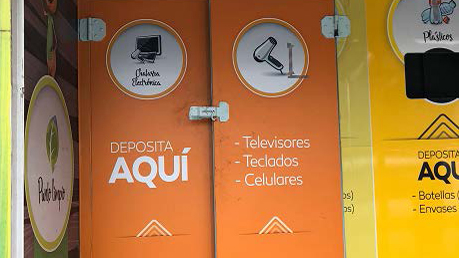
Cuenca is the third-largest city in Ecuador with 615,000 inhabitants and is facing significant challenges in e-waste management.
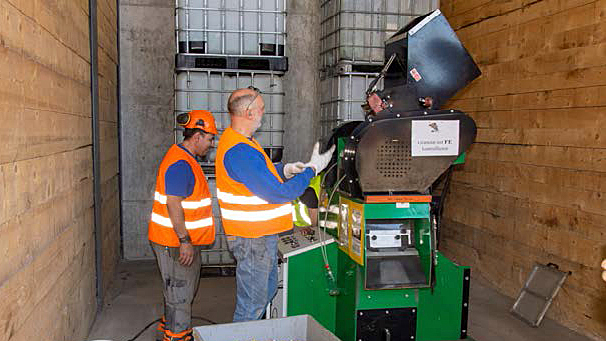
This project’s goal is to improve e-waste management, from collection to recycling. To achieve this, the current processes of the municipality’s own waste management company, EMAC-EP, are being optimised, and the existing collection point is being expanded into an e-waste management center. The activities take a comprehensive approach towards repairing, reprocessing and recycling electronic equipment. The accompanying training and the sustainability assessment of the processes are also ensured, in cooperation with the University of Cuenca. In the medium term, the project results are also to be implemented in other regions of Ecuador and Latin America.
Results
Firstly, the baseline report was drawn up and the roles and responsibilities of the various players were finalised. In 2022, the concept for the entire plant, initial implementation work, the concept for integrating the informal sector, work on operations and the business plan were finalised. The elections in Ecuador in 2023 have significantly delayed the project work. It is now planned to complete and commission the plant in 2024.